
Categories
Bakersfield Homes, Bakersfield Real Estate, Bakersfield Real Estate Market, Bakersfield Real Estate Tips, Buying a Home in Bakersfield, First Time Home Buyer, Home Buyer, Home Buying Tips, How to Buy a HomePublished August 6, 2026
10 Things Every First-Time Homebuyer Should Know Before Buying a House

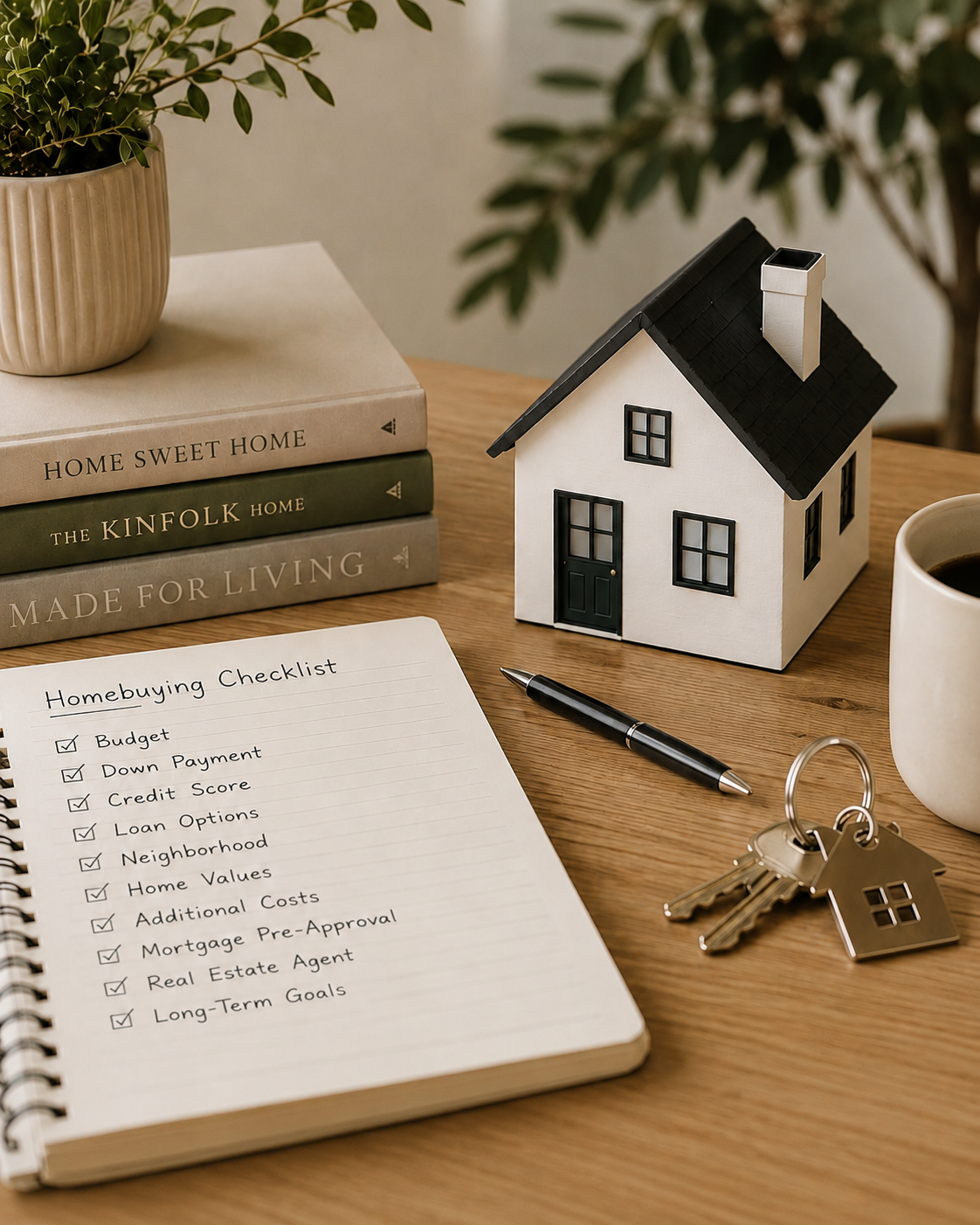
Buying your first home is one of the most exciting milestones you'll ever reach, but it can also feel overwhelming. Between saving for a down payment, understanding mortgages, and searching for the perfect neighborhood, it's easy to wonder where to begin.
The good news? With a little preparation and the right guidance, the homebuying process can be much smoother than you might think.
Here are 10 important things every first-time homebuyer should know before starting their home search.
1. Determine How Much Home You Can Comfortably Afford
Just because a lender approves you for a certain amount doesn't necessarily mean you should spend it all.
Take a close look at your monthly budget and consider how a mortgage payment will fit alongside your other expenses. Remember to account for:
- Utilities
- Insurance
- Property taxes
- Maintenance
- Savings goals
Buying within your comfort zone helps you enjoy your home instead of feeling financially stretched.
2. Start Saving for Your Down Payment
Many buyers believe they need a 20% down payment—but that's actually one of the biggest myths in real estate.
Depending on the loan program, you may qualify with much less. However, the more you can save, the lower your monthly payment may be.
Don't forget to save for closing costs as well, which typically range between 2–5% of the purchase price.
3. Check and Improve Your Credit Score
Your credit score plays a major role in determining your mortgage interest rate.
Before applying for a loan:
- Review your credit report.
- Pay bills on time.
- Reduce outstanding debt.
- Avoid opening new credit accounts.
Even a small improvement in your credit score can potentially save thousands over the life of your loan.
4. Understand Your Loan Options
Not all mortgages are the same.
Some common loan types include:
- Conventional Loans
- FHA Loans
- VA Loans
- USDA Loans
Each program has different qualifications and benefits. Speaking with a trusted lender can help determine which option best fits your financial situation.
5. Research Neighborhoods—Not Just Homes
A beautiful house is important, but so is the neighborhood.
Consider factors like:
- School districts
- Commute times
- Nearby shopping and restaurants
- Parks and recreation
- Future development
- Property values
Remember-you can update a home, but you can't change its location.
6. Budget for More Than Your Mortgage
Homeownership comes with additional expenses beyond the monthly mortgage payment.
Be prepared for costs such as:
- Homeowners insurance
- Property taxes
- HOA dues (if applicable)
- Maintenance and repairs
- Landscaping
- Utility costs
Having an emergency home fund can provide peace of mind when unexpected repairs arise.
7. Get Pre-Approved Before You Start Shopping
Getting pre-approved is one of the smartest first steps you can take.
A pre-approval:
- Shows sellers you're a serious buyer.
- Helps you understand your budget.
- Makes your offer more competitive.
- Speeds up the buying process.
In today's market, it's imperative to be pre-approved before you start house hunting.
8. Work with a Trusted Real Estate Agent
Buying a home involves much more than touring properties.
An experienced real estate agent can help you:
- Navigate the market
- Negotiate on your behalf
- Explain contracts
- Coordinate inspections
- Keep your transaction on track from start to finish
Having an advocate by your side makes the entire experience far less stressful.
9. Be Patient and Stay Flexible
Finding the right home often takes time.
You may lose out on a home, adjust your wish list, or discover a neighborhood you hadn't considered.
Try to stay focused on your long-term goals rather than chasing perfection. The right home is one that fits both your lifestyle and your budget.
10. Think Beyond Move-In Day
Buying a home is a long-term investment.
As you search, consider questions like:
- Will this home still work for me in five years?
- Is there room to grow?
- What improvements could increase value?
- Does this neighborhood fit my future plans?
Thinking ahead can help you make a decision you'll be happy with for years to come.
Final Thoughts
Buying your first home doesn't have to be overwhelming. With the right preparation, knowledgeable professionals, and a clear plan, you can confidently navigate the process and make informed decisions every step of the way.
If you're thinking about buying your first home in Bakersfield or the surrounding areas, I'd love to help you understand your options, answer your questions, and guide you through the process from start to finish.
Ready to take the first step? Let's connect and create a plan that works for you. Click here to get in contact and start your home buying journey today.

Linda Banales
Listing Specialist | Bakersfield Real Estate Group | Watson Realty
or another way